Inputs
Crew, shape priority, maintenance tolerance and existing hardware reveal whether simplicity, cockpit control, roach or continuous reduction dominates.
The tool organises trade-offs. A rigger and sailmaker must confirm compatibility, loads and safe operation.
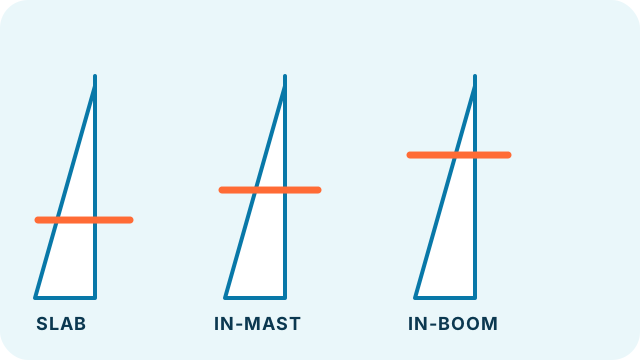
A well-maintained slab system with low-friction cars and clearly led reefs may provide the strongest balance of shape, redundancy and field repairability.
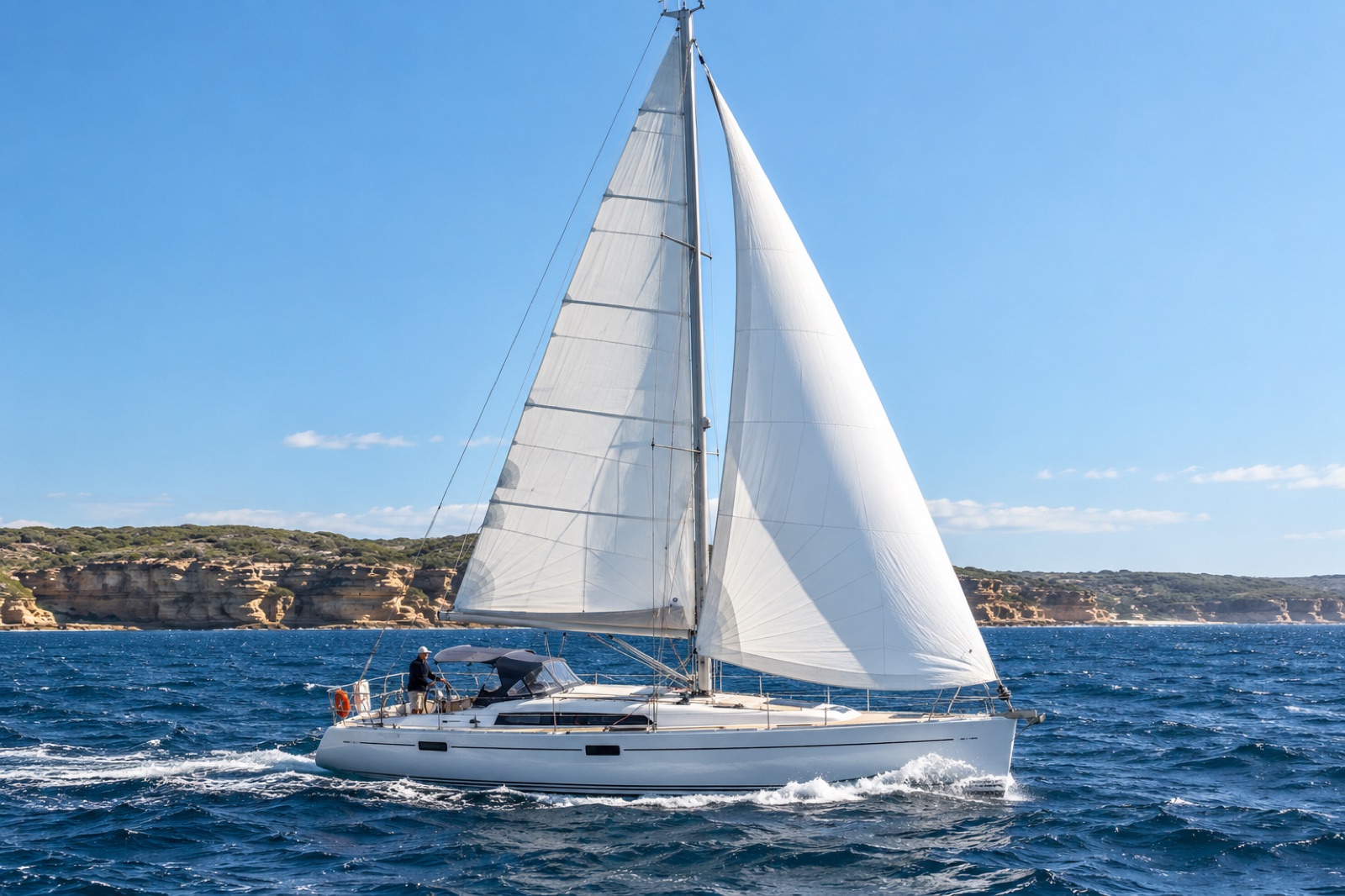
It organises the trade-offs between slab, single-line, in-mast and in-boom reduction systems.
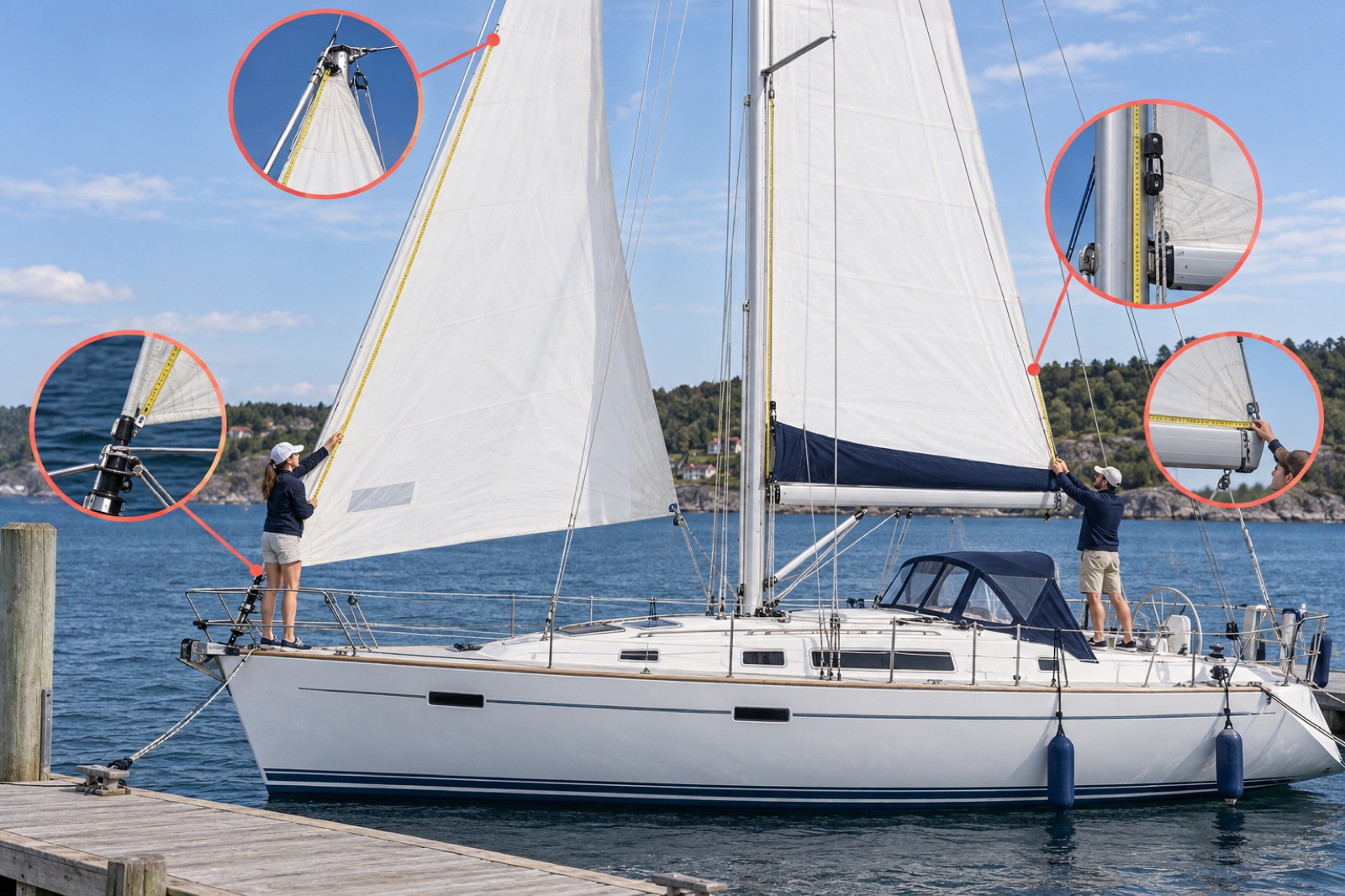
Crew, shape priority, maintenance tolerance and existing hardware reveal whether simplicity, cockpit control, roach or continuous reduction dominates.
The tool matches operating priorities to characteristic system strengths and flags compatibility and maintenance questions.
The result is a shortlist. A rigger and sailmaker must verify mast, boom, loads, luff geometry and recovery procedures before changing systems.
A short-handed offshore cruiser that values repairability may favour slab reefing with low-friction cars and clearly led reef lines over a more complex conversion.
This tool supports briefing and comparison. It does not replace measurement on the boat, structural engineering, class or safety rules, or a sailmaker's final design.