Inputs
P and E define the mainsail triangle. I and J define the foretriangle. LP replaces J in the simplified headsail-area calculation. Roach allowance is an optional estimate only.
Use this for early comparisons only. Finished sail area depends on real edge curves, roach, hollow, clew height and design shape.
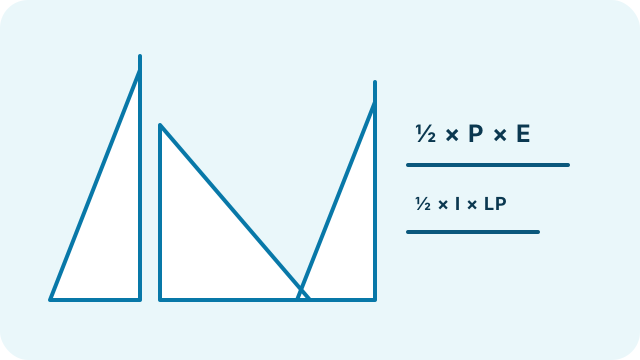
P 13.2 m and E 4.5 m gives 29.7 m² triangular mainsail area; a 5% allowance gives 31.2 m². I 14 m, J 4.2 m and LP 5.04 m gives about 35.3 m² headsail area.
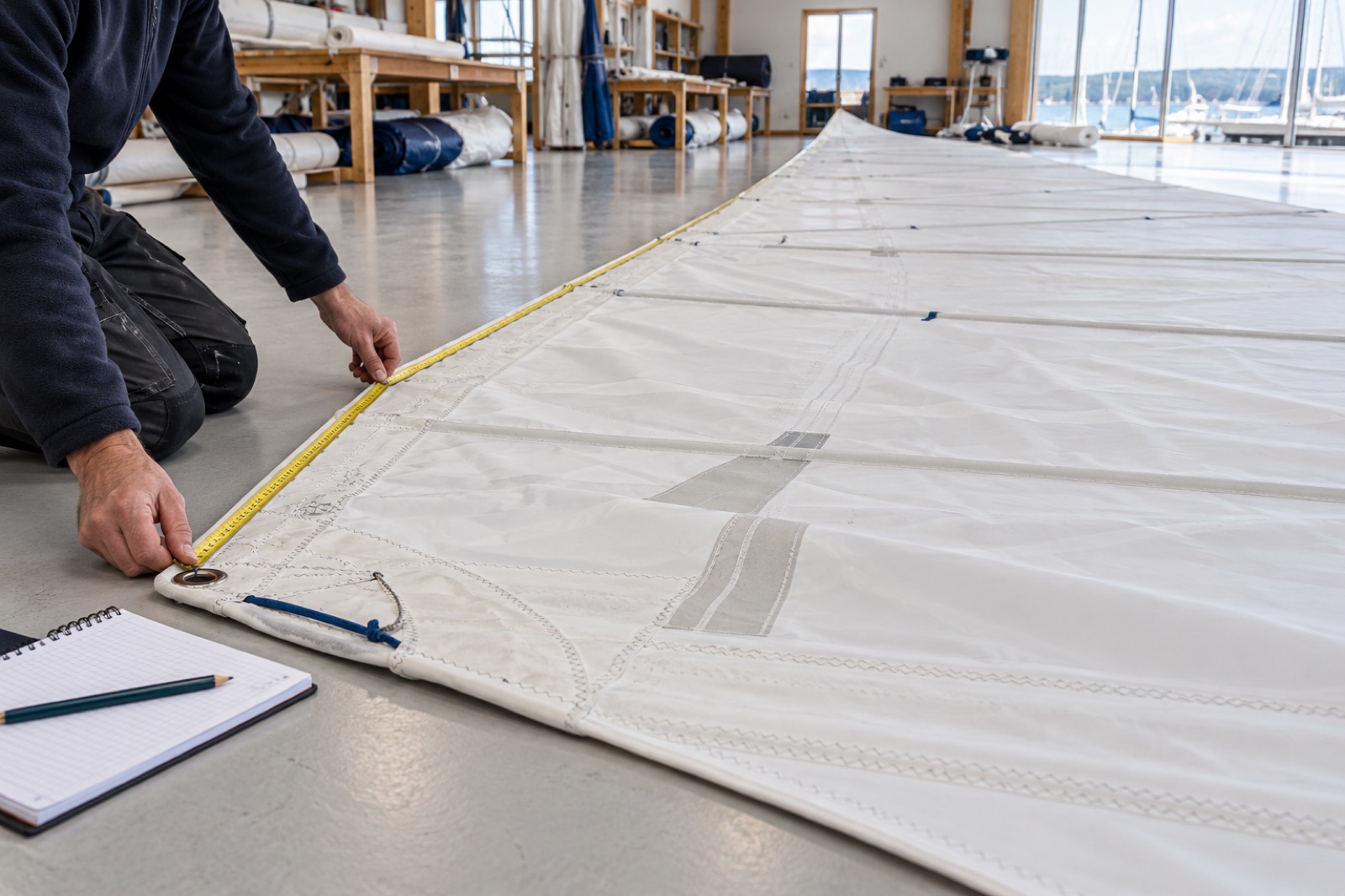
It creates comparable preliminary areas for a mainsail triangle, foretriangle and headsail.
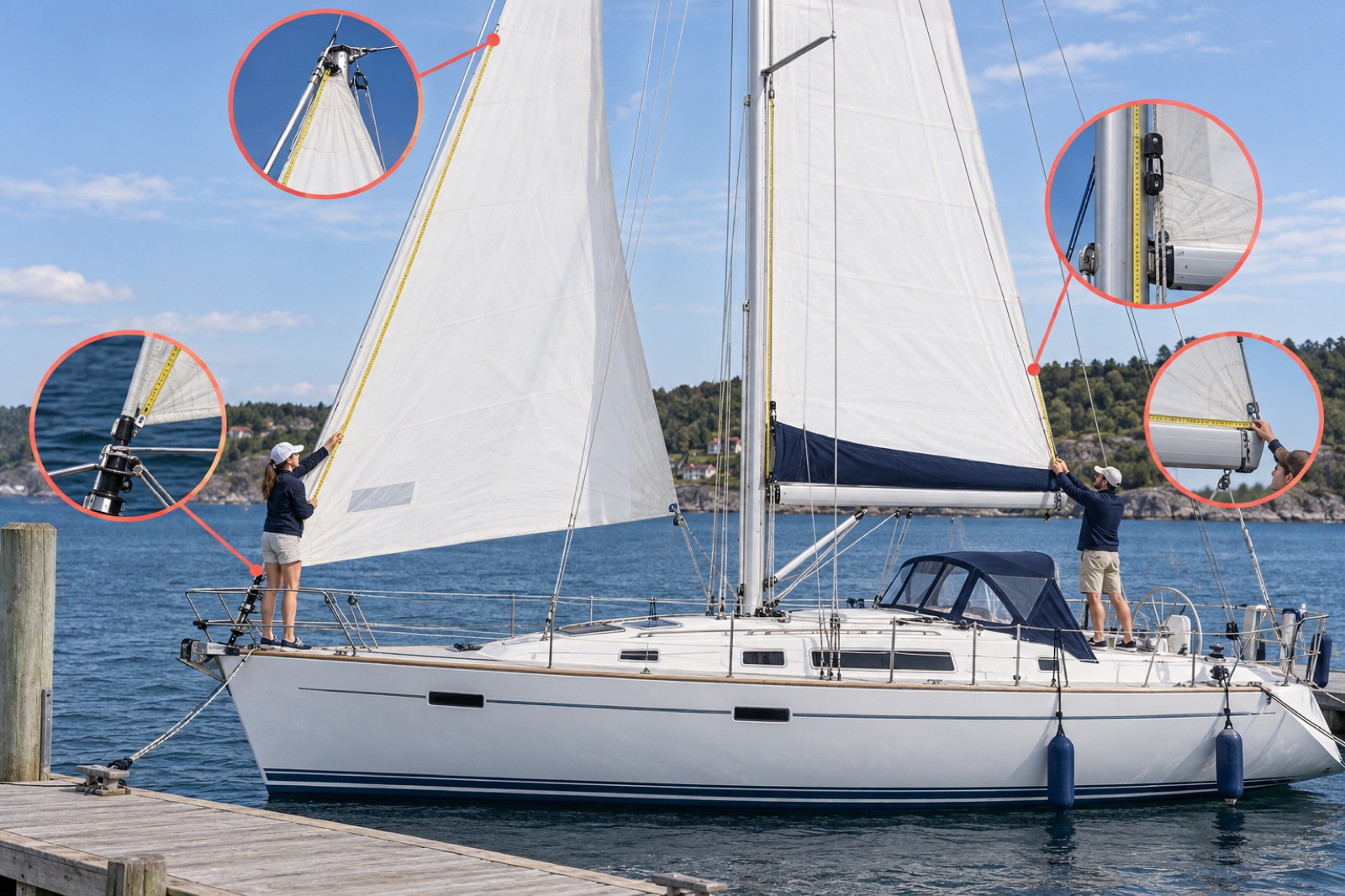
P and E define the mainsail triangle. I and J define the foretriangle. LP replaces J in the simplified headsail-area calculation. Roach allowance is an optional estimate only.
Mainsail triangle = ½ × P × E. Foretriangle = ½ × I × J. Headsail ≈ ½ × I × LP. Optional roach percentage is applied to the mainsail triangle.
Use the figures to compare scale and check quote consistency. A sailmaker's finished area will differ because real sails have edge curves, roach, hollow, clew height and design shape.
P 13.2 m and E 4.5 m gives 29.7 m². A 5% estimate becomes 31.2 m². I 14 m and LP 5.04 m gives about 35.3 m².
This tool supports briefing and comparison. It does not replace measurement on the boat, structural engineering, class or safety rules, or a sailmaker's final design.